Understanding Stress and Its Impact on Your Athletic Potential
Polarized training is most successful when your body is ready for high-intensity sessions. Understanding how your autonomic nervous system works can help you time it right.
Polarized training is most successful when your body is ready for high-intensity sessions. Understanding how your autonomic nervous system works can help you time it right.

Polarized training is all about building duration without incurring high stress. Where does your steady state break down and what can you do about it?

What does polarized training look like for triathletes? Find out with coach Ryan Bolton’s tri-specific swim and run workouts.
Scientists have worked closely with athletes and coaches to define the polarized model and explain how it works. Who leads the way? Dr. Seiler talks about the scientific process playing out in valuable ways in both research and the real world.

Running coach Ryan Bolton shares three key workouts for runners who want to polarize their training.
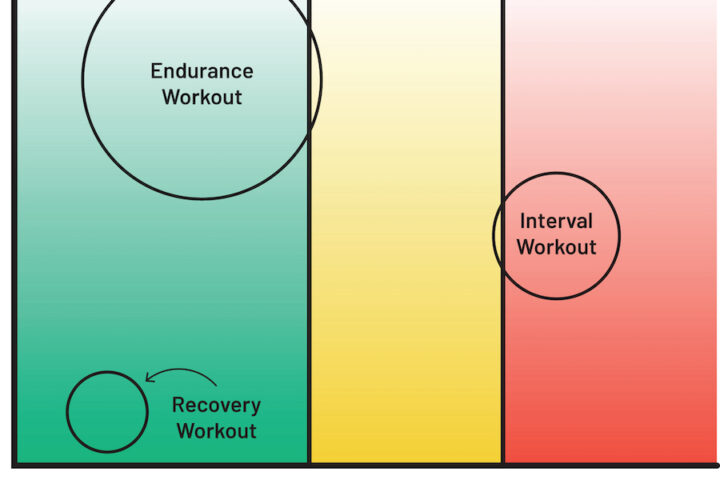
To truly polarize your training, you need to focus your training in two key zones. Coach Trevor Connor explains how this works for the sport of cycling, but the physiology applies to all endurance sports.

Intensity can be a slippery slope for endurance athletes—there is a temptation to push harder and longer. The real recipe for performance might entail some new priorities.
It can be very easy to train at a moderate intensity all the time, which can be a surefire way to land in an overreached state. Polarized training can help prevent that—and in this video, Dr. Seiler explains how.
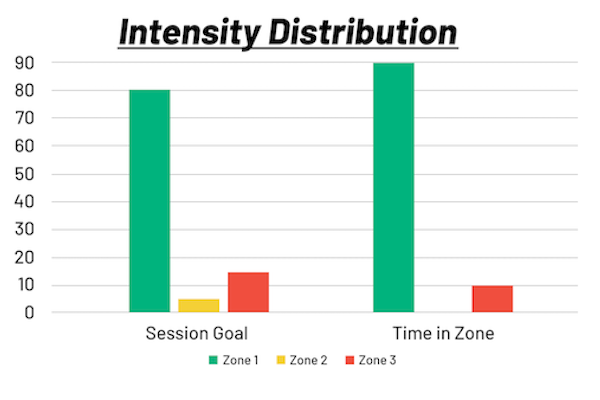
Is 80/20 really the best mix of intensities? And what’s the best way to categorize training? Dr. Seiler has a simple method to get you started.
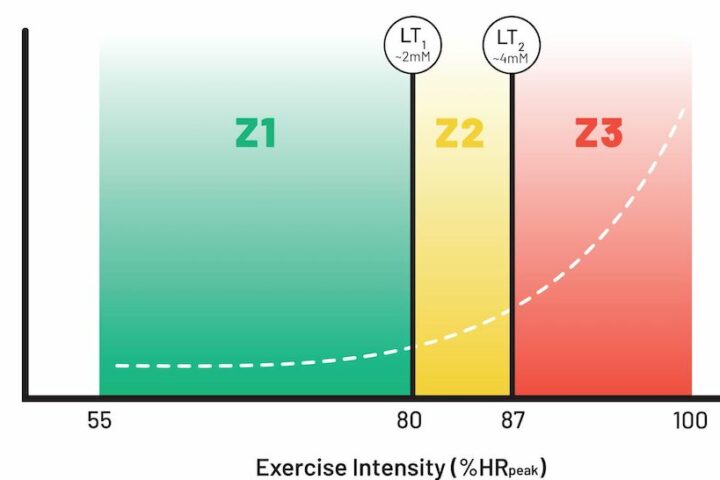
Polarized training is a case where science hustled to catch up with real-world results. Coach Trevor Connor explains how sport science misunderstood the physiology and inadvertently shifted the focus toward high-intensity training.
Dr. Stephen Seiler explains why polarized training is a winning strategy for the long game of endurance sports. By balancing the stress of training, athletes see bigger gains over time.

Coach and sports nutritionist Ryan Kohler shares his sports nutrition guide for endurance mountain bike races.

Triathlon can be a demanding sport—so how can you set yourself up for success? We asked former pro triathlete and six-time Ironman 70.3 champion Emma-Kate Lidbury to share her top tips.
If you have an energy deficit day after day, it can have devastating effects on your health and performance. Find out how to get it right with our guide to low energy availability.
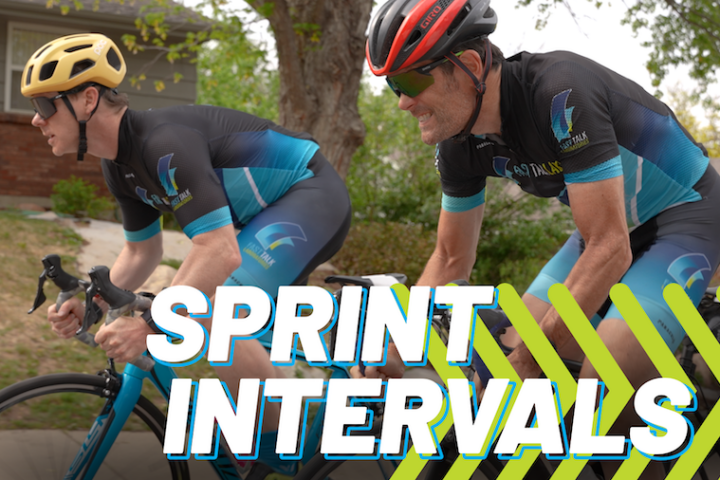
Trevor Connor and Rob Pickels run through one of their favorite sprint workouts, and share some helpful tips and tricks.
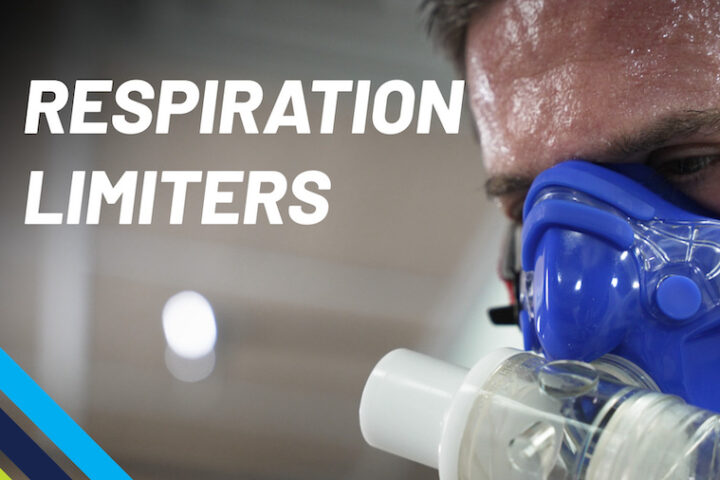
Coach Steve Neal helps athletes develop their respiratory systems to improve performance. Find out how the testing works, the limiters it exposes, and what you can do to start training your own breathing.

Rob Pickels shows us how to do mountain bike intervals based on Dr. Seiler’s polarized training research.
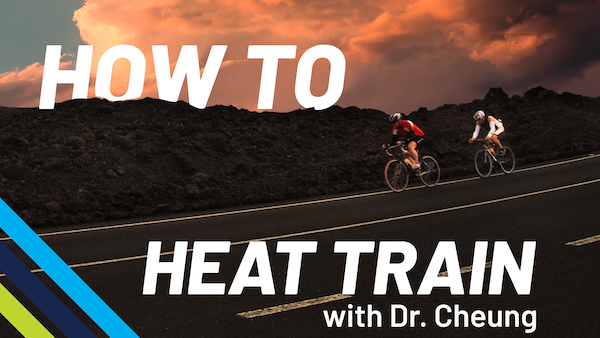
World-leading environmental physiologist Dr. Stephen Cheung shows how to practice heat training in your own home and how to incorporate it into your annual training schedule.