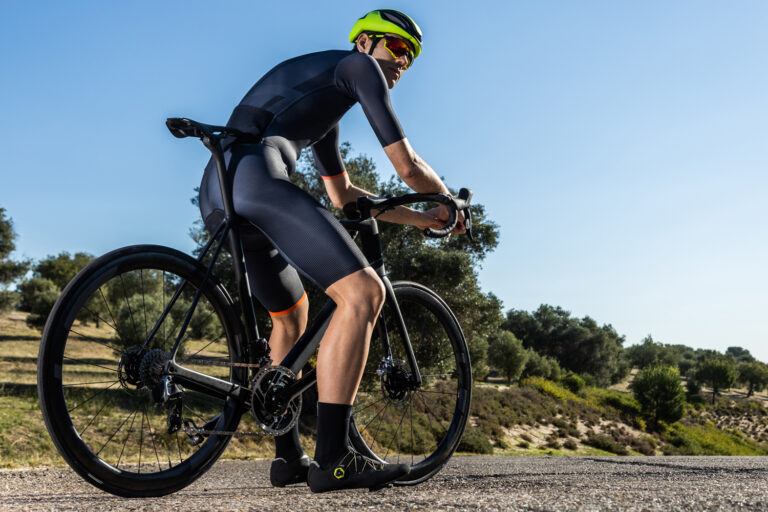

The Many Rewards of Neuromuscular Training for Cyclists
Doing more sprint work and cadence drills on your rides could lead to substantial performance gains.
In this episode, we explore how endurance athletes and coaches are using today’s top nutrition apps—and what to consider before relying on them.
The world of AI is changing extraordinarily fast. We spoke with Dr. Paul Laursen about the current challenges and developments of the technology.
The closer we get to peak fitness, the more vulnerable we may become to illness. We explore how to prevent illness, and how to train effectively when it strikes.
As more athletes decide to dive into do-it-yourself lactate testing, we explain how to best conduct measurements and how to avoid the most common mistakes.
Dr. Stephen Seiler joins us to talk about one of the biggest influences on his own work, Dr. Hans Selye who’s been called the Einstein of the biological sciences.
In this episode we explore the science of caffeine in endurance sports—when it helps, when it doesn’t, and how to use it wisely.
We look at the latest research on the safety, benefits, and precautions for expecting mothers.
Our hosts talk about why we shouldn’t believe that more is always better, how to build a weekly time trial series into your training, and what research we’d like to see conducted.
Explore ways to grow your coaching business by offering athlete services like testing, strength training, and sports nutrition.
This course gives coaches the tools they need to navigate medical gray areas, including clear protocols and simple decision-making frameworks.
This course shows coaches exactly how to guide athletes through every stage of fueling—from daily training to race day.
Learn how to guide your athletes through a smart, sustainable base season—and lay the aerobic foundation for stronger performance, season after season.
Explore how to translate heart rate, power files, and subjective feedback into smarter, more personalized coaching decisions.
This course helps coaches understand the physiology, motivation, and mindset of masters athletes to help them stay competitive at any age.
Coaching females doesn’t have to be guesswork. See how leading coaches work with females to achieve high performance from juniors to masters.
This course shows coaches how to develop strong parent partnerships, apply Long-Term Athlete Development (LTAD) principles, and coach young athletes with a long view in mind.
Whether it’s toxic algae blooms, wildlife encounters, or boat traffic, there are many safety considerations to take into account when swimming in open water.