Celebrating American Cycling Success in 2025, with Jim Miller
Across cycling disciplines, American riders male and female had exceptional success. USA Cycling’s Chief of Sports Performance details the highlights, addresses.
All the latest from the Fast Talk Labs Knowledge Base including pathways, podcasts and videos.
Across cycling disciplines, American riders male and female had exceptional success. USA Cycling’s Chief of Sports Performance details the highlights, addresses.
Athletes can now perform sweat analysis, check skin temperature, and monitor insulin in the field. But should they? We review the latest in nutrition technologies. We also talk about the potential adverse impacts of carbohydrates and caffeine on our health.
Former elite distance runner Siren Seiler-Viken exposes the truth about focusing on light racing weight: performances will suffer and health will deteriorate.
This episode highlights the Further Initiative — a groundbreaking research project on female ultra-endurance athletes conducted in partnership with Lululemon and the Canadian Sport Institute Pacific.
Cycling training is a science and an art. How endurance athletes train, when they train, and the intensity and duration of that training all affect the gains and adaptations they see. Proper interval execution is essential to see the expected progress. How you analyze and interpret all that data is equally valuable. Of course, training needs to be planned so it fits into any given season, race schedule, and lifestyle. Off the bike, the importance of strength and conditioning is often neglected. This is training. This process is what athletes live for.
Former elite distance runner Siren Seiler-Viken exposes the truth about focusing on light racing weight: performances will suffer and health will deteriorate.
For our 400th episode we invited three of the most prominent names in exercise physiology to discuss where we are and where we’re going in endurance sports science.
In this week’s potluck episode, we discuss whether there is a true ceiling to our potential, whether there’s a value in “wintering” or taking time off, and what cross training our hosts recommend.
Two new studies challenge common assumptions: intensity may matter more than volume for healthy aging, and triathlete injury patterns aren’t what most coaches would predict. We unpack what this means for training prescription, and why neuromuscular and strength work belong in every plan.
Coaching endurance athletes is an art, a science, and a craft. We offer this selection of coaching-related articles, videos, workshops, and guides to help coaches begin to explore the support available for coaches through Fast Talk Labs. Contact us with your questions, clarifications, or requests at coaches@fasttalklabs.com.
The era of AI-augmented endurance coaching is here. New tools don’t just collect data—they intelligently interpret, adapt, and learn, helping data-driven coaches and athletes to refine their training.
This client-centered counseling approach enhances your ability to guide your athletes toward improved motivation and commitment.
USA Triathlon and Fast Talk Labs announce the release of a new Polarized Training Certification Course for coaches.
When this pro athlete stopped restricting nutrition and fueling in favor of a higher-carbohydrate diet, she was surprised by the result.
Pathways™ are comprehensive guides to specific topics in endurance sports training from experts. Explore a Pathway to discover concepts, master skills, and solve problems. See how to use Pathways.
In collaboration with Dr. Stephen Seiler, the “father of polarized training,” we have curated everything you need to know about the 80/20 training method.
The very best athletes are as strong mentally as they are physically. In the Sport Psychology Pathway from Fast Talk Labs, we explore how to build mental skills with experts like Dr. Simon Marshall, Julie Emmerman, Grant Holicky, Lesley Paterson, and Julie Young.
Learn advanced data analysis for cycling, triathlon, and running workouts and races. With new data analysis tools, you can make better decisions about your training.
Used strategically, riding inside can be a beneficial way to keep motivation high, effectively add intensity, and stave off winter training doldrums. With the help of Joe Friel, Dr. Stephen Seiler, and others, we explore all aspects of indoor cycling.
Structured Workouts. Strength & Mobility. Core Exercises. Change up your workouts—and understand the how and why—with these Fast Talk Labs workouts. Our coaches and special guests share exercises and workout sessions to help you develop specific fitness adaptations.
Physiologist Jared Berg talks with us about how he uses both in-lab and on-the-road testing to determine what type of work an athlete should focus on.
Adding days to your microcycles will help you improve recovery, which can improve HIT sessions. It’s a win-win.
The importance of a strong core for athletic performance can’t be overstated. Trevor Connor details the various benefits of a strong core, and the disadvantages of a weak one.
Hit the sweet spot with a sub-threshold ride for those winter days that aren’t too cold.
Humans aren't machines—we're much more complicated. Exercise physiology involves changes in the body from exercise and rest. From anaerobic threshold to environmental acclimatization, from FTP to PGC-1 alpha, we explore the science of human performance.
Athletes can now perform sweat analysis, check skin temperature, and monitor insulin in the field. But should they? We review the latest in nutrition technologies. We also talk about the potential adverse impacts of carbohydrates and caffeine on our health.
This episode highlights the Further Initiative — a groundbreaking research project on female ultra-endurance athletes conducted in partnership with Lululemon and the Canadian Sport Institute Pacific.
For our 400th episode we invited three of the most prominent names in exercise physiology to discuss where we are and where we’re going in endurance sports science.
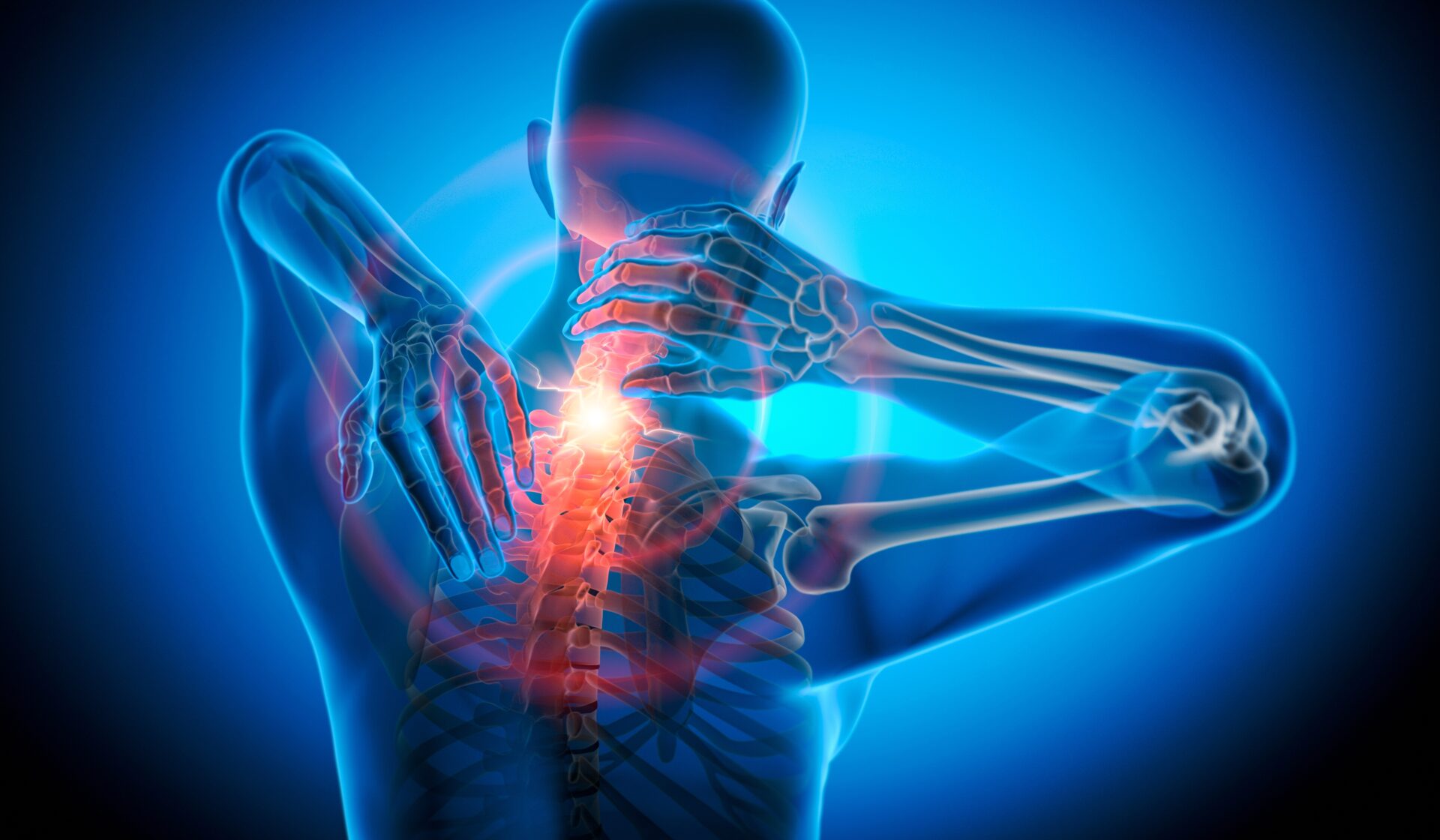
Physical therapist Carol Passarelli reveals the truth about “tight upper traps” in cyclists, what the usual causes are, and how to fix neck pain.
Eating properly for the demands of endurance sports can be challenging. Without the right fuel, performance and recovery will be compromised. Learn how to master and implement a sports nutrition strategy that works for you, whether that’s during your workouts or races.
Athletes can now perform sweat analysis, check skin temperature, and monitor insulin in the field. But should they? We review the latest in nutrition technologies. We also talk about the potential adverse impacts of carbohydrates and caffeine on our health.
For our 400th episode we invited three of the most prominent names in exercise physiology to discuss where we are and where we’re going in endurance sports science.
As athletes, we understand the need for training plans, but have you ever considered applying the same principles to your nutrition? This episode discusses how it’s done.
Prime yourself for peak performance by knowing when and how much to fuel in your training and racing.
Expert guidance. On your time. Everywhere you go.
Fast Talk Podcast is now on YouTube! Subscribe now to get 100+ of our best episodes, new releases, and featured videos.
Explore EpisodesThe Craft of Coaching is Joe Friel’s ultimate guide to becoming a better, more successful, and happier coach. From the business of coaching to working with athletes of all abilities and ages, The Craft of Coaching can accelerate the art and craft of endurance coaching.
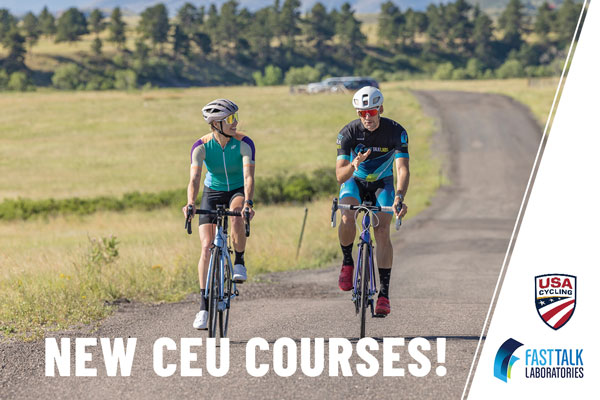
Fast Talk Labs has produced over 25 new CEU courses now available on the USA Cycling Coach Education platform! See our growing course catalog.
Explore Course Catalog
Fast Talk Laboratories is dedicated to helping coaches reach their potential. We have teamed up with leading organizations to deliver coach education opportunities through membership, CEUs, certifications, and live events.
Explore Coaching Development